Just don't learn to design, learn to orchestrate it
AI Upsides
How AI empowers your design
Not because AI has become a fancy word in recent times but also recruiters are looking for designers who know to use AI for their advantage
Eliminate the grunt-work
Focus on creativity, not repetition. Let AI handle the tedious tasks like resizing, masking, and formatting, freeing you to design what matters.
Data-driven UX
Design with confidence. Leverage AI insights to predict user behavior, optimize user flows, and create experiences backed by real data.
Intelligent automation
Scale your output without scaling your effort. Use intelligent tools to generate variations, adapt layouts, and maintain consistency across design systems.
Courses We Offer
Graphic Design
Master visual storytelling. Learn branding, typography, and layout design using industry-standard tools like Adobe Photoshop, Illustrator, and InDesign.
UI/UX Design
Design digital experiences that users love. Learn user research, wireframing, prototyping, and interface design with Figma and modern design principles.
Hybrid Course
The ultimate dual-skill advantage. Combine Graphic Design creativity with UI/UX logic, supercharged by Generative AI training for a future-proof career.
Whether you're looking to start a new career, upgrade your skills, or master the latest AI tools, our expert-led courses are designed to guide you every step of the way.
Core insights
Learn the sorcery of using AI to catalyze your designs
Rapid mood-boarding
Generate diverse visual directions in minutes. Use AI to curate mood boards that align perfectly with client briefs before you even touch a pixel.
Polished Visuals
Achieve production-grade quality instantly. Upscale images, remove backgrounds, and enhance details to deliver professional assets with zero friction.
Aesthetic Expansion
Break free from your style comfort zone. Experiment with new art directions, textures, and compositions that you wouldn't typically create by hand.
Key Deliverables
Go beyond a designer. Become a Product Architect.
AI for analysis
Leverage AI to process vast amounts of user data and feedback. Uncover patterns and insights that drive informed design decisions and strategic product improvements.
LLMs for UX writing
Use Large Language Models to craft compelling microcopy and content strategies. Ensure consistent voice and tone across all user touchpoints effortlessly.
Product ready portfolios
Build a portfolio that showcases end-to-end product thinking. Demonstrate your ability to solve real-world problems and deliver viable product solutions.
Automate handoffs
Streamline the design-to-development workflow. Use AI tools to generate clean code snippets, assets, and documentation, ensuring a smooth handoff process.
Student Showcase
Our students design works
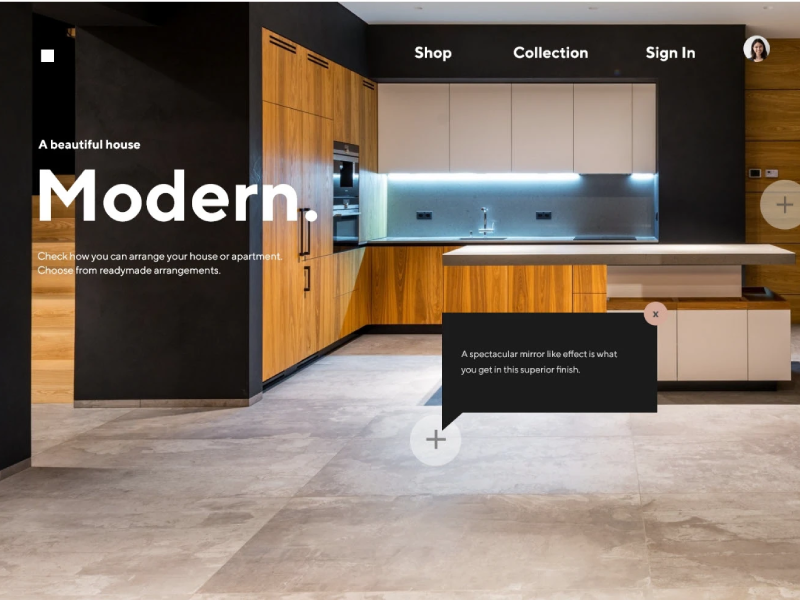
Tiles Ecommerce Website
A modern web UI for an e-commerce platform that sells floor tiles
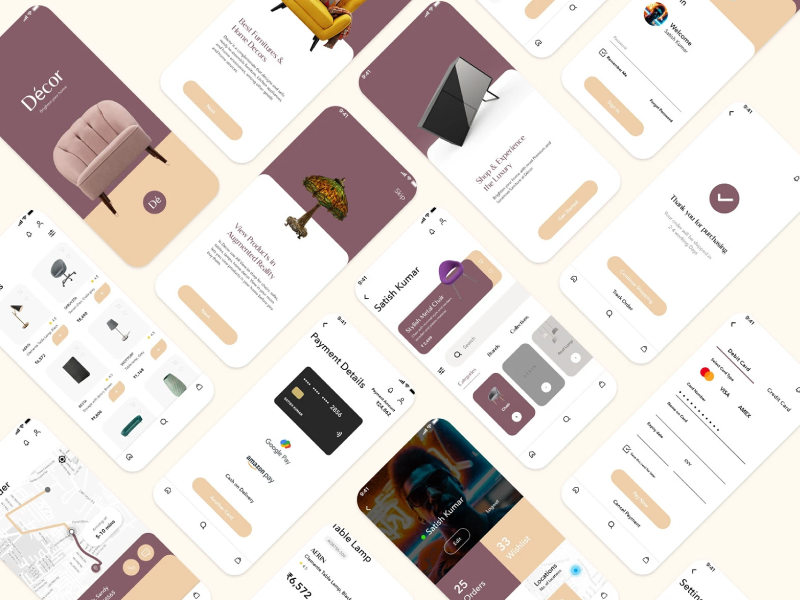
Decor - Ecommerce App
A clean, minimalistic vibe checking ecommerce app UI/UX for selling and buying home decor products
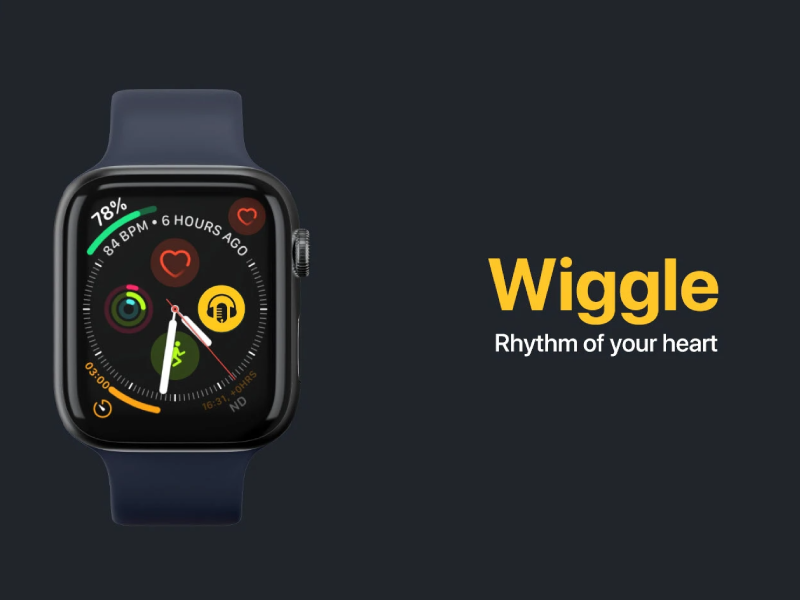
Wiggle WatchOS App
Wiggle watchOS app UI design for advanced heart rate monitoring and fitness tracking
Hybrid Course:
The Multi-Skilled Designer
Developing a hybrid skill set in both graphic and UI/UX design creates a versatile professional capable of handling a product's entire visual lifecycle. While graphic design focuses on brand identity and emotional impact, UI/UX ensures those visuals translate into a seamless, user-centric interface. This integrated approach allows you to anticipate user needs while maintaining high aesthetic standards, bridging the gap between artistic creativity and functional problem-solving. Ultimately, this expertise makes you a high-value asset, empowering you to craft products that are both beautiful and effortless to use.
TESTIMONIALS
What our students tell
What our students tell
about us
G
Golu Kuntal

"Their course is well structured and classes are well organised. They start with simple preliminary assignments before gradually moving up to more difficult assignments and portfolio worthy projects. This makes learning ui ux design very easy for even for people who don't have prior exposure."
R
Rukamakesh Chahar
"From ux research to information architecture, wireframing, card sorting, user testing, ui design, mobile ui, web ui, dashboard design, wearable ui, color theory, typography, fundamentals of design, prototyping, micro interactions with Figma they cover entire end to end every topics required to get a job in ui ux design."
S
Suman Maity
"I joined Halo Acedemy to learn UI UX and graphics design, and it was one of the best decision I've made. The course structure is well- organised, focusing on both theory and practice assignment."
S
Sriram
"Right place to switch up your career to next leval. Recently i have completed my course. Practice your skills and make a move for next steps."
FAQS
Frequently asked
Frequently asked
questions
Areas we serve all over India
India's digital environment now demands that businesses demonstrate their aesthetic functionality capabilities as a fundamental requirement for their operations. The tech sectors of Bangalore and Pune experience an increased need for UI/UX designers because companies shift their focus from providing services to developing advanced products. The financial center of Mumbai exhibits the same growth pattern as the rest of the country which requires fintech platforms to create seamless user experiences for customer trust building and user retention purposes. The tech corridor between Hyderabad and Secundrabad has developed into a major attraction for Global Capability Centers which use design-led innovation to maintain their competitive edge. Graphic design training programs serve as the necessary solution to address the existing talent shortages. The absence of formal educational programs prevents aspiring designers in urban areas from acquiring essential skills needed to succeed in an industry that now considers design as a fundamental technical component instead of merely aesthetic design.
The expansion of startup culture to areas outside major urban centers has resulted in India-wide demand for specialized design education programs. The Delhi/NCR area has experienced an extensive growth of EdTech and SaaS companies which now creates a demand for designers who possess knowledge about both psychology and interface design. Ahmedabad and Kochi have developed into specialized centers for AI-based design and digital commerce, which need a workforce that can operate modern design tools such as Figma and Adobe Creative Cloud. The cities of Bhubaneshwar and Indore which exist to the east and central parts of India, have started to develop their IT infrastructure which allows them to attract major companies that require professional branding together with interactive prototyping. Design training enables students from these areas to secure lucrative employment opportunities which increasingly require human-centered design skills. The expansion of this geographical area demonstrates that the digital economy has developed into a global system which requires all modern workers to possess design literacy skills.
The creative agency industry has developed in Jaipur and Chandigarh which created a requirement for advanced educational programs that teach graphic design and motion graphics skills. The coastal and southern cities of Vishakapatnam and Thiruvananthapuram and Mysuru utilize their technological heritage to establish specialized research facilities which create AI-based user interfaces that require complete knowledge of user accessibility and interaction. The development of shared service centers in Lucknow creates a demand for designers who possess the skills to convert complex information into visual representations.